- 1 Understanding the Goals of Network Defense
- 2 Understanding Information Assurance(IA)Principles
- 3 Understanding the Benefits and Challenges of Network Defense
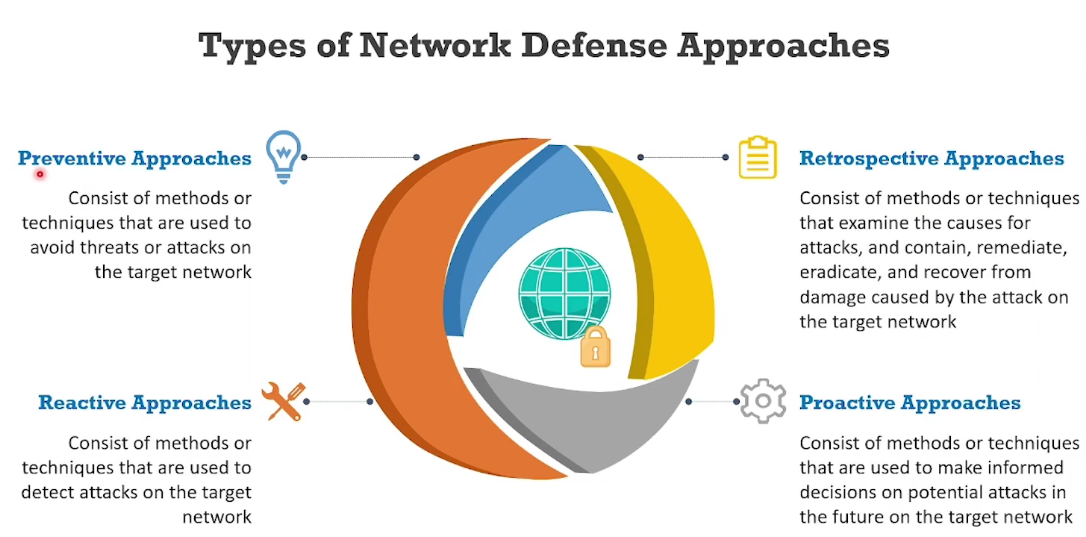
- 4 Overview of Different Types of Network Defense Approaches
- 5 Understanding the Different Types of Network Security Controls
- 6 Understanding the Different Network Security Protocols
Acompletely secure and robust network can be designed with proper implementation and configuration of network security elements
- Network Security Controls
- Network Security Protocols
- Network Security Devices
-
The ultimate goal of network defense is to protect an organization's information,systems,and network infrastructure from unauthorized access,misuse,modification,service denial, or any degradation and disruptions -
Organizations rely on information assurance(IA)principles to attain defense-in-depth security -
Information Assurance(IA)principles act as enablers for an organization's security activities to protect and defend the organizational network from security attacks

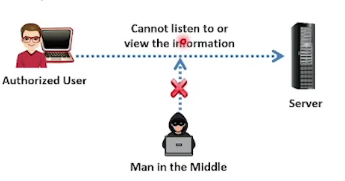
Ensures information is not disclosed to unauthorized parties
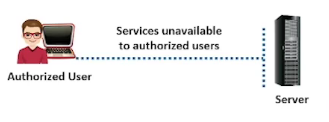
Ensures information is available to authorized parties without any disruption
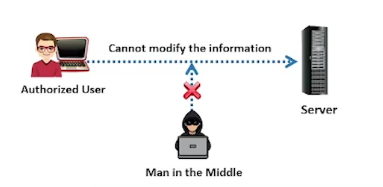
Ensures information is not modified or tampered with by unauthorized parties
Ensures thataparty inacommunication cannot deny sending the message

Ensures the identity of an individual is verified by the system or service

- Protect information assets
- Comply with government and industry specific regulations
- Ensure secure communication with clients and suppliers
- Reduce the risk of being attacked
- Gain competitive edge over competitor by providing more secure services
- Environments With the advancement in modern technology and to meet business requirements, networks are becoming vast and complex,potentially leading to serious security vulnerabilities.Attackers exploit exposed security vulnerabilities to compromise network security
- Potential threats to the network evolve each day. Network security attacks are becoming technically more sophisticated and better organized
- Security Skills Organizations are failing to defend themselves against rapidly increasing network attacks due to the lack of network security skills
The management implements administrative access controls to ensure the safety of the organization Examples of Administrative Security Controls
- Regulatory framework Compliance
- Employee Monitoring and Supervising
- Security policy
- Information Classification
- Security Awareness and Training