
Exoplanet Detection ML: Detection of Exoplanets with Machine Learning Techniques through Transit Light Curve Analysis
This project is ongoing and subject to continuous advancements and modifications.


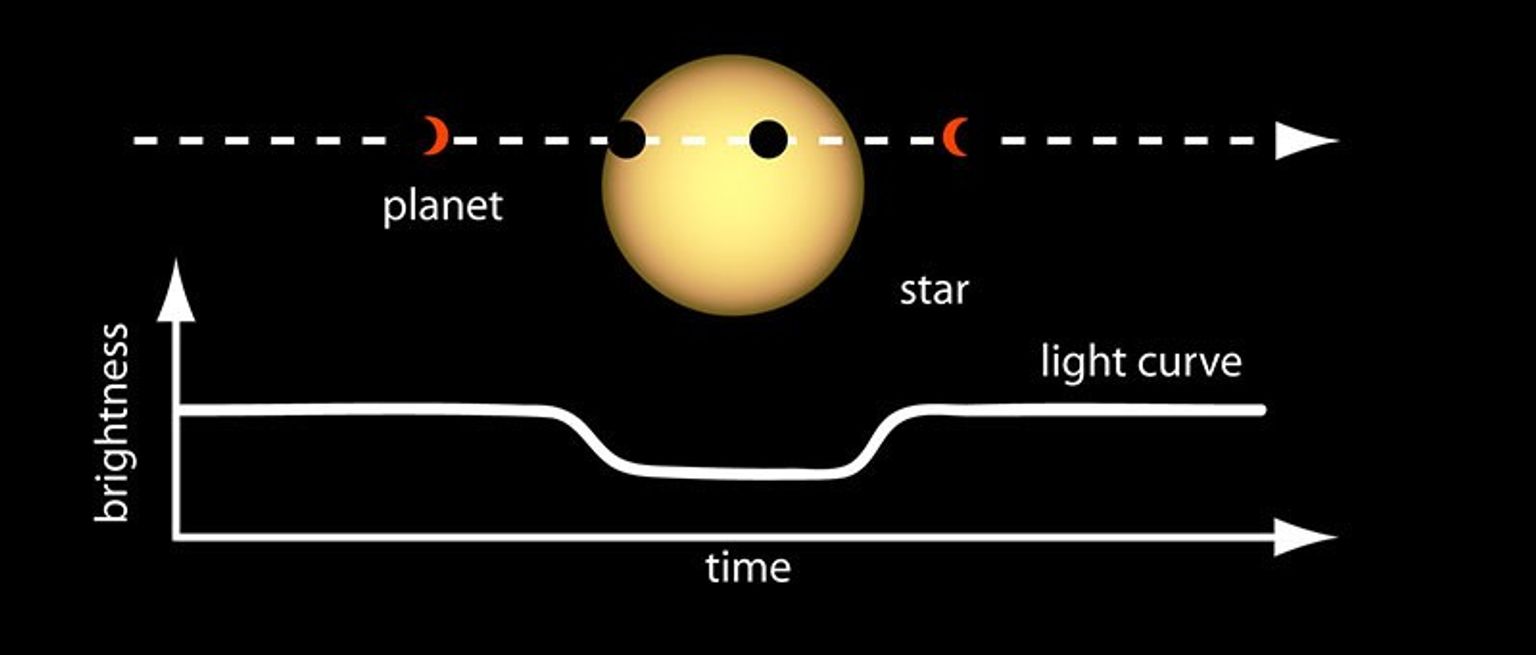
Exoplanet Detection ML is a machine learning project dedicated to the detection of exoplanets using transit survey-based light curves. By leveraging advanced machine learning algorithms and feature engineering techniques, this project aims to enhance the accuracy and efficiency of exoplanet discovery.
- Features
- Machine Learning Algorithms
- Key Notebooks
- Examples
- Project Structure
- Resources
- Acknowledgements
- License

- Automated Exoplanet Detection: Utilizes transit survey-based light curves to identify potential exoplanets.
- Advanced Algorithms: Implements state-of-the-art machine learning models for high accuracy.
- Feature Engineering: Employs robust feature extraction and selection techniques to enhance model performance.
- Dimensionality Reduction: Reduces feature space complexity while preserving essential information.
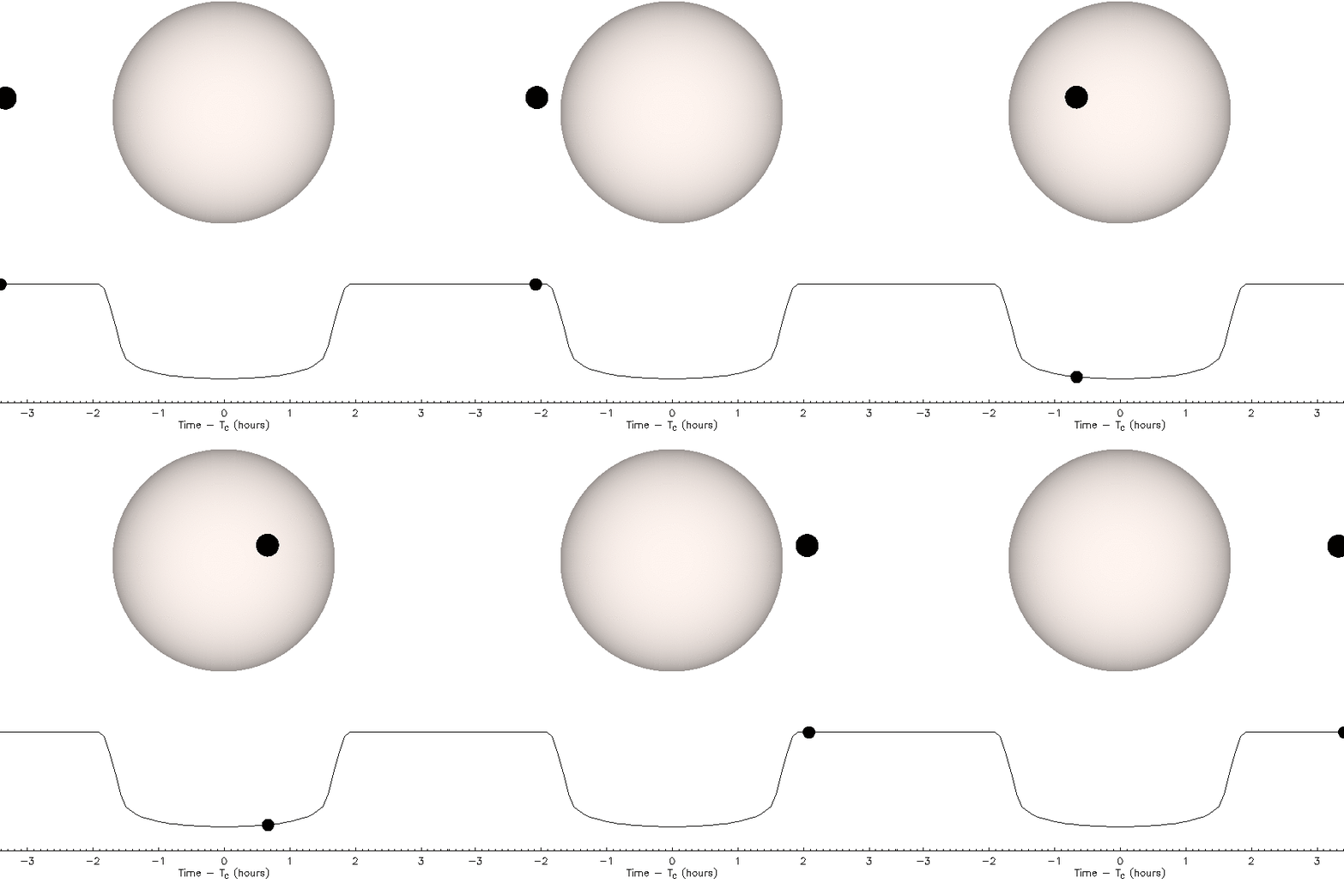
Exoplanet ML employs a variety of machine learning algorithms to ensure comprehensive analysis and accurate predictions:
- Random Forest Classifier
- LightGBM
- AdaBoost
- Histogram Gradient Boosting
- XGBoost
- XGBoost Calibrated
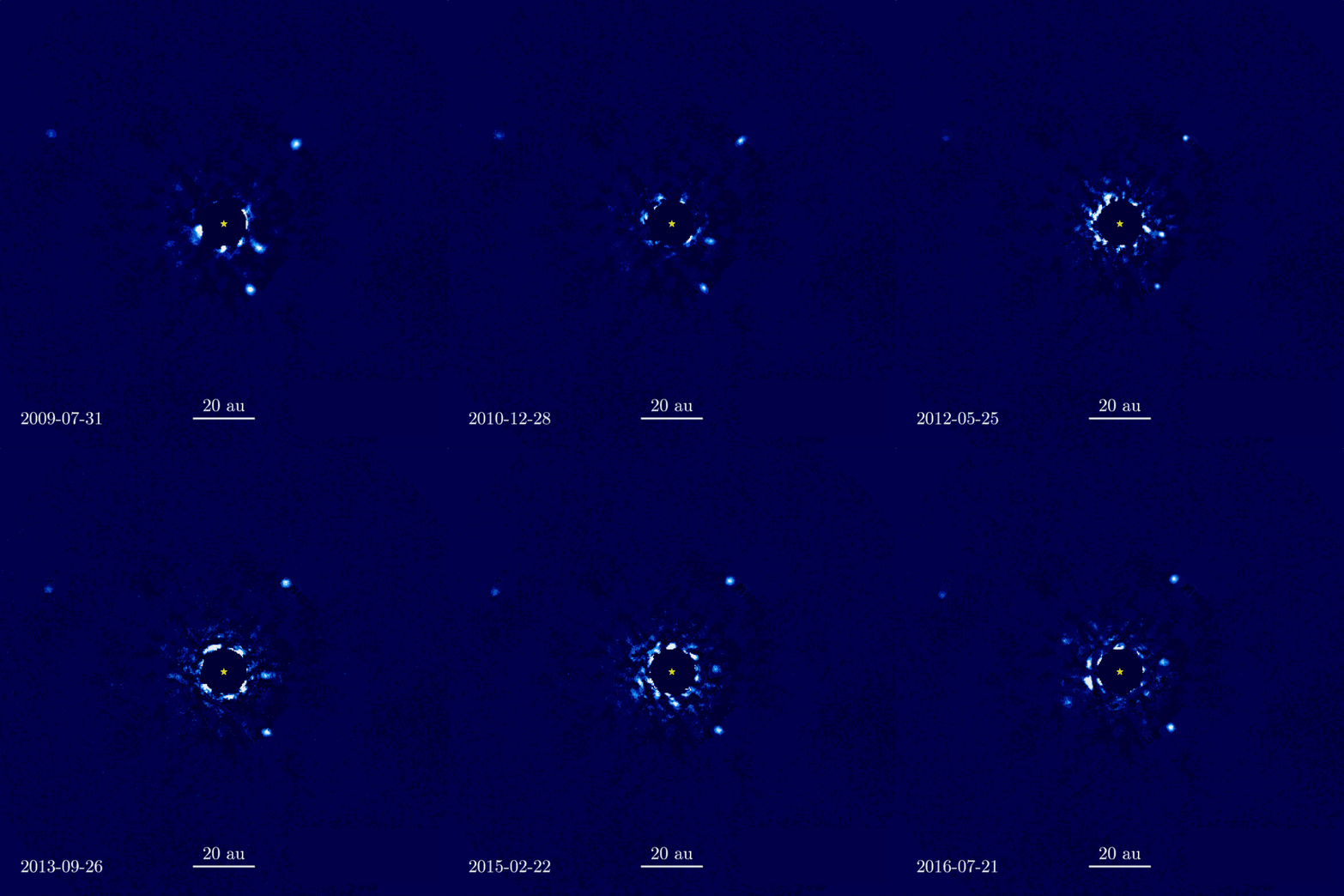

Below are some examples of model performance:
| Machine Learning Models | Accuracy | Precision | Sensitivity | F1-Score | ROC-AUC Score |
|---|---|---|---|---|---|
| Random Forest | 84% | 85% | 84% | 83% | 85% |
| Adaptive Boosting | 82% | 82% | 82% | 80% | 86% |
| Histogram Gradient Boosting | 87% | 87% | 87% | 87% | 96% |
| Extreme Gradient Boosting | 86% | 87% | 86% | 85% | 95% |
| Extreme Gradient Boosting (Calibrated) | 89% | 89% | 89% | 89% | 93% |

- Introduction to PCA, t-SNE, and UMAP
- Plotly t-SNE and UMAP Projections
- Kernel PCA in scikit-learn
- Understanding UMAP
- UMAP Documentation
- Feature Engineering with TSFresh
- Exoplanet Archive Acknowledgements
- Exoplanet Archive DOI
- Exoplanet Archive Table View
- Exoplanet Archive Table Redirect
This project is licensed under the MIT License.
Note: The rest of the code and additional files can be found in the following repositories:
- Exoplanet ML GitLab
- New Dataset GitLab
- TSFresh Extract GitLab
- Data Extract GitLab
- ExoData New GitLab
- ExoData GitLab
- Exoplanet ML FP GitLab
- Exoplanet ML Kepler GitLab
For any inquiries or feedback, please contact:
Adrita Khan
📧 Email | 🔗 LinkedIn | 🐦 Twitter